What is this celebration about? (Why is it important?)
- ANZAC stands for Australian and New Zealand Army Corps.
- ANZAC Day is an anniversary of the day when Australian and New Zealand soldiers landed in Gallipoli in 1915 as part of the Allies’ invasion
- Link: 2026 Calendar of cultural and religious dates
When is it held?
- 25 April each year
What are some common traditions or activities?
- Gunfire breakfast
- Dawn Service
- Anzac Day march
- Follow-on and two-up
Who is involved in the celebration?
Soldiers and nurses
ANZAC day is it just for the boys
Why should people know about or take part in it?
“A substantial number of Australians went to war – 416,000 out of a population of less than 5 million. Everyone knew someone who died in the war, went missing or was never the same upon their return. Gallipoli became the defining event of Australia’s involvement in World War I.”
Find one interesting fact or story to share.
Australians were unprepared for the staggering loss of the Gallipoli landing Australians were shocked when the first reports of the Gallipoli landing appeared in newspapers in May 1915. The nation’s previous experience of war had been the Boer War (1899-1902), during which approximately 600 Australians were killed over three years. In 1915, it was inconceivable that these losses might be exceeded so early in the Great War.
https://rslqld.org/news/anzac-day-facts
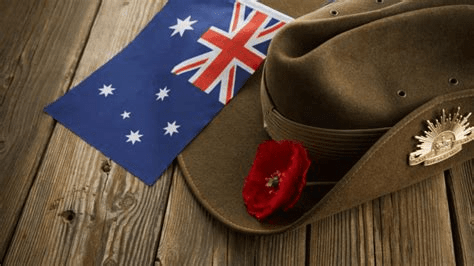
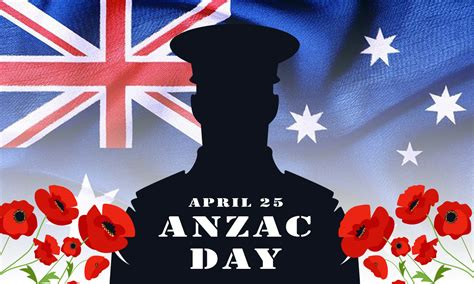
Include 1–2 images or symbols related to the celebration.
W7 D1 note-taking table
| Sources | Question: How important are ANZAC Day, NAIDOC Week and Harmony Week celebrations? |
| National NAIDOC Secretariat (2025) | NAIDOC week: Explain what it is; six Para A Aims of the awards ceremony: four points Para B – Value of NAIDOC week to international Ss: Para G 5 Points |
| Johnson (2023) + (2) Daniels (2024) | |
| Department of Home Affairs (2023) |
Indigenous people celebrate their history, culture and achievements during NAIDOC Week.
- The history, culture and achievements during NAIDOC Week was celebrated indigenous people.
Young indigenous people see their leaders as role models in their desire for leadership.
- The leaders was seen as role models by their young indigenous people in their desire for leadership.
 一息不存,道将来契